

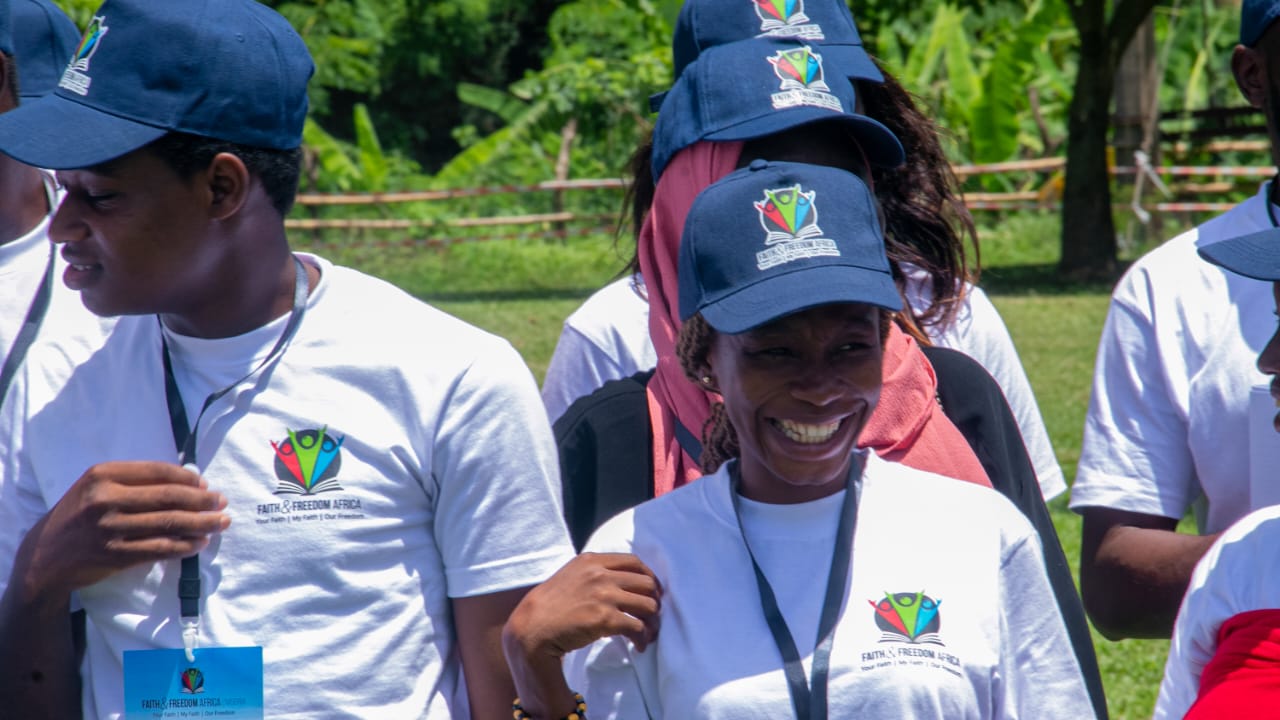
The cohort deliberately reflected Nigeria’s religious diversity. Of the 41 participants, 21 were Muslims and 20 were Christians, creating an interreligious learning environment in which young people could learn together, exchange perspectives and develop practical approaches to advancing religious freedom.
The programme was supported by a diverse four-member Learning Support Team comprising two Christians, one Muslim and one Humanist. This diversity reflected FFA’s commitment to ensuring that conversations about Freedom of Religion or Belief include people across religious and belief traditions.
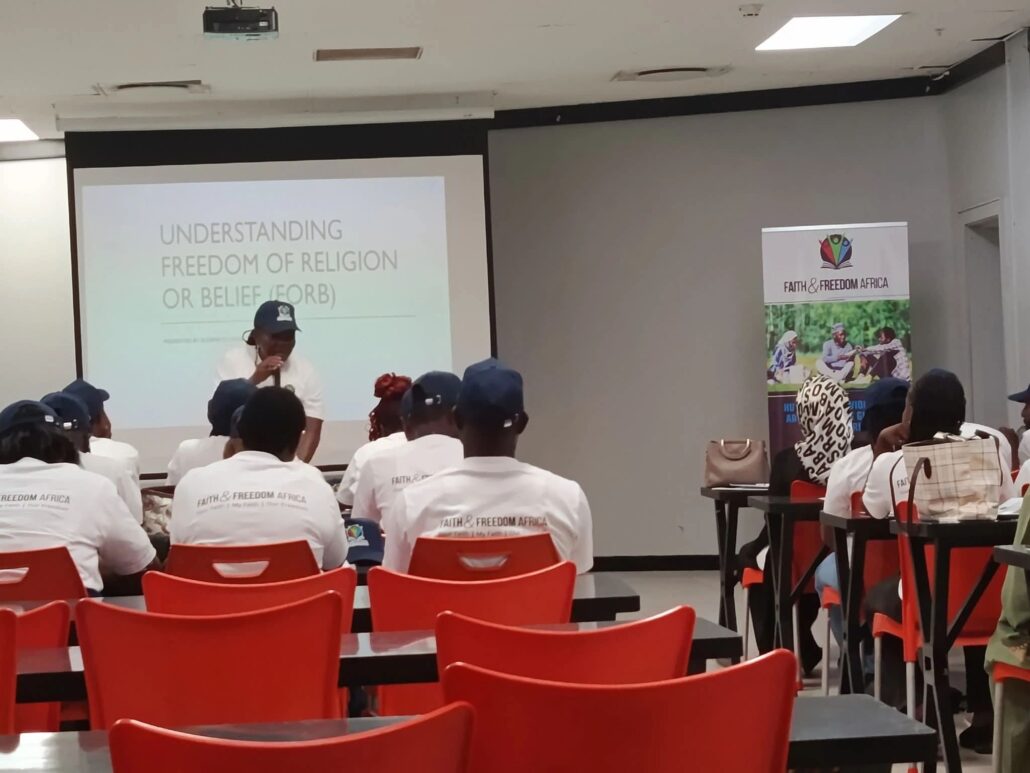
The programme began with a two-day intensive training session in Abuja in June 2026, followed by three months of online learning, mentorship, assignments and field engagement from July to September.
Throughout the programme, participants explored Freedom of Religion or Belief, human rights, digital advocacy, responsible communication, peaceful coexistence and the use of digital platforms to promote positive social change.
The cohort also provided participants with opportunities to translate learning into practical advocacy and examine how young people can use their voices and digital platforms to challenge religious intolerance, hate speech, misinformation and discrimination.
FFA described the completion of the first cohort as an important milestone in its efforts to raise a new generation of informed young advocates who understand that religious freedom is not only about protecting one’s own beliefs but also defending the right of others to believe differently or not to believe.
The organisation noted that the three-month engagement was a learning experience for both the participants and FFA and that lessons from the first cohort will contribute to strengthening subsequent editions of the programme.
Faith and Freedom Africa remains committed to promoting religious freedom in Nigeria through education, advocacy, dialogue, digital engagement and grassroots action.
Although the formal cohort period has concluded, participants are expected to continue applying the knowledge, networks and advocacy skills developed through the programme in their communities and online spaces.